- Integral Medicine | Alexander Smithers M.D., A.P.1014 N. East Ave.
Sarasota, Fl. 34237941-444-6336 - 1014 N. East Ave.
Sarasota, Fl. 34237941-444-6336 - Testimonials
I couldn’t be happier with the treatment I received from Dr Smithers. I had been having knee pain for several months, making it difficult to walk for an extended period of time. I finally decided to have Dr Smithers look at it, and he decided to do prolotherapy. After a few treatments, the pain was completely gone. I’m thrilled to have found this clinic! And I highly recommend Dr Smithers!
Dr. Smithers has been taking care of my knees for a few years now. My experience with him has been consistently outstanding. His care has allowed me to avoid knee replacement surgery. There was a point when I had so much pain that I was not able to spend more than 15 minutes on my feet.. Because of his treatments and direction I have gotten my life back, including 20 mile bike rides and trips to the Disney parks with... Read more »
Doctor Alex has been treating me for severe gut issues. I was tired of going to doctors that didn’t listen to me and would just prescribe a pill not ever trying to get to the real issues I was having. Dr. Alex has listened and treated me holistically and I am feeling great!! Thank you for everything Dr. Alex.
- Testimonials
Dr. Smithers is a wonderful doctor with a wealth of knowledge in a variety of areas. I had been suffering with a parasitic infection for a year and a half that left me with many gastrointestinal symptoms. He told me exactly how to treat it and heal my gut. I am forever in debt to him for fixing me! He is bright, friendly, kind, welcoming, & has great bedside manner. I would highly recommend seeing him for any issue.
... Read more »I had been suffering from chronic neck and shoulder pain for almost 2 decades. I tried chiropractic and acupuncture, which didn’t do anything for my pain. Using essential oils and CBD would help, but that was a temporary fix. Through an online documentary, I found this clinic in Sarasota. Meeting Dr. Smithers was the best thing that ever happened to me. He’s not just a very competent doctor, he’s also very compassionate and patient. He’s extremely knowledgeable and well read,... Read more »
Dr Smithers is so acute and atuned to what others miss. I had been suffering with abdominal issues for over 20 years getting no help from traditional medicine. He found and correctly treated the issue. Words cannot describe the quality of life that has been restored to me. He’s very caring and takes the time to listen.
Hi
I had Prolozone therapy with Dr Alex Smithers. My knees and thumbs were injected due to meniscus issues in my knees and arthritis in my thumbs. Dr Alex was wonderful. He’s very gentle, kind and patient. I’m a very nervous patient and he took his time with me and did his best to make sure I was comfortable. I’m feeling better and continue to expect more and more improvement. I highly recommend Dr Alex and his staff. They... Read more »I would highly recommend Dr. A. Smithers if you are considering an alternative to orthopedic surgery. My shoulder has been in pain for months and after finding out I have some rotor cuff tears, I decided to pursue Prolotherapy with Dr. A. Smithers. The result so far has been outstanding! The first night after the shots was still painful, but woke up the next morning and pain was almost completely gone. I was equally impressed with his attentiveness to answering... Read more »Dr. Smithers has been taking care of my knees for a few years now. My experience with him has been consistently outstanding. His care has allowed me to avoid knee replacement surgery. There was a point when I had so much pain that I was not able to spend more than 15 minutes on my feet.. Because of his treatments and direction I have gotten my life back, including 20 mile bike rides and trips to the Disney parks with... Read more »
What We Treat
Ozone Therapy Research Roundup: Wound Care, Stroke Recovery, and Cancer Support
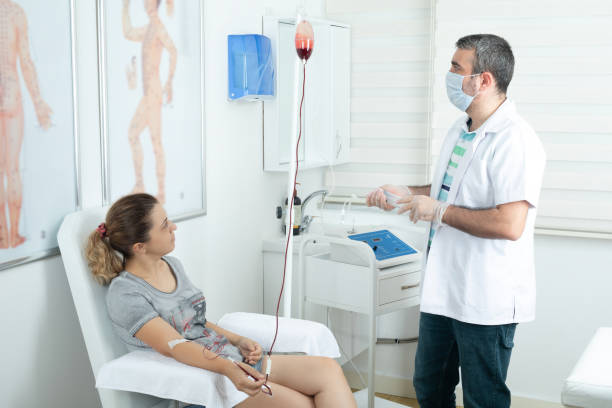
Ozone therapy continues to draw growing peer-reviewed research interest as a complementary tool in integrative medicine. Here’s a roundup of recent notable developments spanning a new wearable delivery device, stroke recovery data, and cancer-support applications.
Table of Contents
- A Wearable Approach to Drug-Resistant Wounds
- Stroke Recovery Data
- Ozone as Complementary Cancer Support
- Faster Healing for Chronic Facial Wounds
- Why This Matters
- Conclusion
A Wearable Approach to Drug-Resistant Wounds
Researchers published a study in Advanced Therapeutics describing a smart wearable ozone therapy system designed to treat multidrug-resistant (MDR) bacterial wound infections. Chronic non-healing wounds affect an estimated 10.5 million people in the US and cost Medicare between $28.1 and $96.8 billion annually, with drug-resistant infections a growing complication as antibiotic resistance rises. The device combines ozone’s antimicrobial action with bio-stimulatory healing effects in a single wearable format, an approach the researchers say outperforms conventional single-mechanism treatments like silver dressings or standalone phototherapy in early testing.
Stroke Recovery Data
A 2025 clinical trial published in Frontiers in Medicine compared ozone therapy against traditional antioxidant drugs in patients recovering from acute ischemic stroke, finding that ozone outperformed the comparator on both neurological recovery measures and safety profile. The proposed mechanism centers on ozone’s activation of HIF-1α (hypoxia-inducible factor 1-alpha), which improves oxygen delivery to tissue affected by reduced blood flow — the same pathway researchers point to in ozone’s effects on other vascular and circulatory conditions, including peripheral artery disease and diabetic foot ulcers.
Ozone as Complementary Cancer Support
A 2025 scoping review evaluated medical ozone as a complementary approach for managing cancer-related pain, fatigue, anxiety, and depression, concluding it shows promise with a favorable safety profile when used alongside standard oncology care. This adds to a body of smaller clinical studies from Spanish research groups examining ozone for cancer-treatment-related pelvic pain and chemotherapy-induced peripheral neuropathy, an area that continues to see active clinical trial enrollment.
Faster Healing for Chronic Facial Wounds
A single-arm clinical study published in the Journal of Maxillofacial and Oral Surgery evaluated topical ozone therapy in 11 patients with chronic facial wounds. Pain scores dropped sharply, from a mean of 7.09 on day one to 2.81 by day three, with no reported pain by day seven. Wound size decreased correspondingly, from 14.3 cm² on day one to 0.68 cm² by day seven — a small study, but a striking healing trajectory that supports larger controlled trials.
Why This Matters
Taken together, these studies reflect a field maturing beyond anecdotal use toward device innovation and rigorous outcome measurement. Evidence quality remains moderate by conventional standards — several of the strongest findings still come from small or single-arm studies — but the mechanistic consistency across wound healing, vascular conditions, and inflammatory pain points to biologically plausible pathways (HIF-1α activation, antimicrobial action, immune modulation) that researchers are now testing more rigorously. For integrative and regenerative practices, this is a field worth watching for practice-relevant protocol updates as larger randomized trials mature.
Conclusion
Ozone therapy research is expanding from established uses in pain and wound care into higher-stakes areas like stroke recovery and oncology support. Larger randomized controlled trials will be the next test of whether these early signals hold up at scale.
Sources
- Advanced Therapeutics (Wiley), “Smart Wearable Ozone Therapy System for Managing Multidrug-Resistant Wound Infections” — Read here
- Journal of Maxillofacial and Oral Surgery (Springer Nature), “Role of Topical Ozone Therapy in the Management of Chronic Facial Wounds: A Single-Arm Clinical Study” — Read here
- TopDoctor Magazine, “Ozone Therapy: The Complete Science-Backed Guide (2026)” — Read here
FDA Advisory Committee to Review Cell Therapy for Duchenne Muscular Dystrophy
The FDA’s Cellular, Tissue, and Gene Therapies Advisory Committee meets July 29 to review Capricor Therapeutics’ deramiocel, an investigational allogeneic cell therapy for Duchenne muscular dystrophy. The meeting comes ahead of an August 22 target decision date and follows a prior rejection of the company’s first application.
Table of Contents
- What’s Happening
- How Deramiocel Works
- What the Data Show
- Why This Matters
- Conclusion
What’s Happening
On July 29, 2026, the FDA’s Cellular, Tissue, and Gene Therapies Advisory Committee will convene to review Capricor Therapeutics’ Biologics License Application for deramiocel, an investigational cell therapy for Duchenne muscular dystrophy (DMD). The Federal Register notice confirming the meeting’s final details was amended on July 24, 2026, and the session will be livestreamed for public viewing.
This is Capricor’s second attempt at approval. The FDA rejected the company’s original application, based primarily on Phase 2 data, with a complete response letter citing substantial-evidence and manufacturing (CMC) deficiencies. The agency has since rescinded that letter and is now reviewing a resubmitted application built on additional Phase 3 data, with a PDUFA target action date of August 22, 2026.
How Deramiocel Works
Deramiocel (also known as CAP-1002) is an allogeneic, off-the-shelf cell therapy made from human cardiosphere-derived cells. Administered by infusion, it’s designed to reduce inflammation and support tissue repair in both skeletal and cardiac muscle — the two systems progressively damaged by DMD. If approved, it would be the first therapy to address both the skeletal and cardiac manifestations of the disease in a single product, a distinction that matters given that cardiomyopathy is a leading cause of death in DMD patients.
Deramiocel holds Orphan Drug designation in both the US and EU, Regenerative Medicine Advanced Therapy (RMAT) and Rare Pediatric Disease designations in the US, and Advanced Therapy Medicinal Product (ATMP) status in the EU — the last of which may qualify Capricor for a Priority Review Voucher if approved.
What the Data Show
The resubmitted BLA is supported by the Phase 2 HOPE-2 trial and its long-term HOPE-2-OLE extension, along with topline results from the Phase 3 HOPE-3 trial. HOPE-2 showed a 36.2% benefit on a mid-level elbow measure of upper limb function (PUL) versus placebo at 12 months, along with reduced cardiac injury markers (CK-MB and total CK), suggesting less myocardial damage.
HOPE-3 met its primary endpoint, showing a 54% slowing of disease progression on the PUL v2.0 scale, and its key cardiac endpoint showed a 91% slowing in the decline of left ventricular ejection fraction (LVEF) by central cardiac MRI — a marker of heart muscle function. The trial also met additional controlled secondary endpoints.
Why This Matters
For the regenerative and integrative medicine community, this advisory committee meeting is a bellwether moment for cell therapy in a devastating pediatric disease with no treatment that addresses both its muscular and cardiac components. An advisory committee’s recommendation isn’t binding, but it heavily influences the FDA’s final decision and signals how regulators are weighing benefit-risk tradeoffs for allogeneic cell products more broadly. A second look at a previously rejected application, now backed by Phase 3 data, also illustrates how sponsors are increasingly able to iterate through FDA’s regenerative medicine pathways rather than face a single make-or-break review.
Conclusion
The July 29 advisory committee meeting is a critical checkpoint on deramiocel’s path to potential approval by August 22. A positive recommendation would move a first-in-class dual-benefit cell therapy closer to patients; a negative one would raise fresh questions about the regulatory bar for allogeneic cell products in rare pediatric disease.
Sources
- NeurologyLive, “FDA Advisory Committee Schedules Meeting to Review Deramiocel’s BLA in Duchenne Muscular Dystrophy” — Read here
- GlobeNewswire / Capricor Therapeutics, “Capricor Therapeutics Announces FDA Advisory Committee Meeting to Review BLA for Deramiocel for the Treatment of Duchenne Muscular Dystrophy” — Read here
- Federal Register, “Cellular, Tissue, and Gene Therapies Advisory Committee; Amendment of Notice” — Read here
FDA Approves Tregzi, First Regulatory T-Cell Therapy to Reduce Chronic GVHD
The FDA has approved Tregzi, a precision-engineered cell therapy from Orca Bio, as the first regulatory T-cell (Treg) based treatment for adults undergoing allogeneic stem cell transplants for blood cancers. Trial data showed it more than doubled one-year survival free of chronic graft-versus-host disease compared with standard transplants.
Table of Contents
- What Happened
- How Tregzi Works
- What the Data Show
- Why This Matters
- Conclusion
What Happened
On June 30, 2026, the FDA approved Tregzi (allogeneic regulatory T cell immunotherapy with HSPC and T cells-vldq), developed by Orca Bio and previously known as Orca-T. It is indicated for use in matched-donor hematopoietic stem cell transplantation with a myeloablative preparative regimen, for hematopoietic and immunologic reconstitution and to improve chronic graft-versus-host disease (GVHD)-free survival in adults with hematologic malignancies. The approval makes Tregzi the first FDA-cleared therapy built on highly purified regulatory T cells, and only the second cell therapy ever approved specifically in the GVHD setting, following Mesoblast’s Ryoncil.
Tregzi received Orphan Drug and Regenerative Medicine Advanced Therapy (RMAT) designations ahead of filing, along with Priority Review. The FDA’s target action date was extended from April to July 2026 after the agency requested additional manufacturing information.
How Tregzi Works
Tregzi reformulates a standard allogeneic stem cell transplant rather than replacing it outright. Instead of infusing an unmodified mix of stem and immune cells from a matched donor, it separates the donor material into components: hematopoietic stem and progenitor cells to rebuild the patient’s blood and immune system, highly purified regulatory T cells to suppress the immune attack that causes GVHD, and a follow-up dose of conventional T cells to help clear residual cancer cells. The goal is to preserve the beneficial graft-versus-leukemia effect of a transplant while reducing the collateral immune damage that has long made GVHD one of the field’s most difficult trade-offs.
What the Data Show
Approval was based on the Phase 3 PRECISION-T trial, a randomized, open-label study of 187 adults with blood cancers, including acute leukemia and myelodysplastic syndrome, across 19 transplant centers. Patients received either Tregzi with single-agent tacrolimus, or a standard transplant with a combination of tacrolimus and methotrexate.
At one year, 78.0% of Tregzi recipients achieved chronic GVHD-free survival, compared with 38.4% in the standard transplant group. After accounting for death as a competing risk, serious chronic GVHD developed in 12.6% of Tregzi patients versus 44.0% of controls. Safety data also favored Tregzi: Grade 3 or 4 acute GVHD at day 180 occurred in 6% of Tregzi recipients versus 10% with standard transplant, alongside fewer serious infections.
Why This Matters<
Beyond Mold: A Complete Guide to Biotoxin Illness (CIRS) and How to Recover

If you have spent months or years cycling through specialists, collecting vague diagnoses like fibromyalgia or chronic fatigue syndrome, and feeling as though your body has become a stranger to you, you are not alone. You may be dealing with Biotoxin Illness/CIRS, a condition rooted in a genetic quirk that affects roughly 25 percent of the population. The experience is often isolating and frightening, but the science behind it is clear, and effective treatment exists. In humid regions like Florida, where water-damaged buildings are distressingly common, understanding this condition is not just academic; it is a practical necessity for reclaiming your health.
Table of Contents
- What Is Biotoxin Illness (CIRS)? The 25% Problem
- The 37 Symptoms: Why You Feel So Terrible
- How Is CIRS Diagnosed? The Specific Biomarker Panel
- The Treatment Roadmap: From Source Removal to VIP
- Beyond the Protocol: Advanced Therapies for Stubborn Cases
- What Is the Prognosis? Can You Fully Recover?
- Frequently Asked Questions About Biotoxin Illness/CIRS
- Why Choose INTEGRAL Medicine for CIRS Treatment?
What Is Biotoxin Illness (CIRS)? The 25% Problem
Chronic Inflammatory Response Syndrome (CIRS) is not a simple mold allergy. It is a multi-system, multi-symptom inflammatory illness driven by a genetic susceptibility in the immune system. Specifically, about one in four people carry certain HLA-DR genotypes that prevent their immune cells from effectively recognizing and clearing biotoxins from the body. When a genetically susceptible person is exposed to a biotoxin, their innate immune system launches a chronic, unrelenting inflammatory response. The toxin is never properly tagged for removal, so it remains in the tissues, keeping the body in a state of low-grade, systemic fire.
The triggers for this cascade are broader than many people realize. The most common culprit is mold and mycotoxins from water-damaged buildings, but the list also includes the bacteria responsible for Lyme disease (Borrelia burgdorferi), dinoflagellates like those causing ciguatera poisoning from reef fish, and other environmental contaminants. This is not a respiratory condition limited to sneezing and wheezing. CIRS is a whole-body inflammatory illness that can disrupt nearly every system, from neurological function to hormone production.
The 37 Symptoms: Why You Feel So Terrible
One of the most bewildering aspects of CIRS is the sheer number and variety of symptoms it can produce. The condition is associated with 37 or more symptoms, which researchers have organized into 13 distinct clusters. If a person exhibits symptoms in eight of those 13 clusters, CIRS becomes a strong diagnostic possibility. This is not a condition that announces itself with a single, clear sign; it is a storm that hits from multiple directions at once.
The most debilitating symptoms often include profound brain fog, memory loss, and difficulty concentrating. Physical symptoms can range from crushing fatigue and joint pain without visible swelling to unusual sensations like static shocks when touching metal or “ice pick” pains that come and go without warning. Chronic sinus congestion, shortness of breath, and a persistent cough are also common. Because these symptoms span so many medical specialties, patients often find themselves shuffled from neurologist to rheumatologist to psychiatrist, with no one connecting the dots.
This fragmentation leads to what many patients describe as medical gaslighting. Standard lab panels, including complete blood counts, comprehensive metabolic profiles, and autoimmune markers, typically return normal. When the tests are normal but the patient is clearly suffering, the default explanation is too often anxiety, depression, or a psychosomatic disorder. If you have been told “it’s all in your head,” the science of CIRS says it is actually in your cells, driven by a measurable inflammatory cascade that standard labs are not designed to detect.
How Is CIRS Diagnosed? The Specific Biomarker Panel
Because standard blood work is essentially useless for identifying CIRS, diagnosis requires a targeted functional medicine panel based on the Shoemaker protocol. This is not about guessing; it is about measuring the specific inflammatory and hormonal markers that become dysregulated in this condition. The critical biomarkers include melanocyte-stimulating hormone (MSH), which is typically low; vasoactive intestinal polypeptide (VIP), also low; antidiuretic hormone (ADH), often low; transforming growth factor beta-1 (TGF-beta 1), which runs high; matrix metalloproteinase-9 (MMP-9), high; vascular endothelial growth factor (VEGF), low; and complement C4a, which is markedly elevated. This pattern of highs and lows paints a clear picture of a body stuck in a chronic inflammatory state.
Beyond blood work, there is a simple, inexpensive screening tool called the Visual Contrast Sensitivity (VCS) test. This test measures your ability to detect subtle differences in shades of gray, a neurological function that is often impaired by neurotoxins. It is not a definitive diagnostic tool on its own, but it is an excellent way to track the severity of neuroinflammation and monitor progress during treatment.
Another critical piece of the diagnostic puzzle is a nasal swab to check for Multiple Antibiotic Resistant Coagulase Negative Staphylococci, or MARCoNS. This resistant staph infection colonizes the deep nasal passages in many CIRS patients and actively suppresses MSH production, perpetuating the illness. Identifying and eradicating MARCoNS is a non-negotiable step before the final phase of treatment can begin. At INTEGRAL Medicine, we use the full Shoemaker protocol biomarker panel to get you answers, not guesses.
The Treatment Roadmap: From Source Removal to VIP
Treating CIRS is a methodical, step-by-step process. Skipping steps or rushing to the finish line almost always backfires. The protocol is designed to remove the source of the toxins, bind and eliminate the circulating toxins, clear any secondary infections, and finally repair the damage done to the brain and endocrine system.
Step 1: Source Removal (The Non-Negotiable)
You cannot heal while living or working in a water-damaged building. Studies suggest that up to 50 percent of buildings in the United States have some degree of water damage, making this a widespread and often hidden problem. The first and most critical step is to identify and either remediate or leave the contaminated environment. Practical steps include running an ERMI (Environmental Relative Moldiness Index) dust test on your home, hiring a qualified professional for a thorough mold inspection, and addressing the root causes of moisture intrusion. For those wondering how to get rid of mycotoxins in a home, the checklist includes repairing all leaks, maintaining indoor humidity below 50 percent with dehumidifiers, using HEPA air filters, and properly cleaning or discarding porous items that cannot be fully remediated.
Step 2: Binding and Elimination (The Shoemaker Protocol)
Once you are in a clean environment, the next phase focuses on pulling biotoxins out of the body. This is done with binders, substances that attach to toxins in the gut and prevent them from being reabsorbed. The gold standard binder is cholestyramine (CSM), a prescription medication, but activated charcoal, bentonite clay, and other natural binders are also used depending on the patient’s tolerance and needs.
A more advanced approach involves what is known as the lipid-exchange method. Because biotoxins are lipophilic, meaning they store themselves in fatty tissues, simply binding toxins in the gut is sometimes not enough. Using agents like phosphatidylcholine and specific fatty acids helps mobilize stored toxins from fat cells so they can be bound and eliminated. This addresses a common question: how long do mycotoxins stay in the body? The answer varies based on genetics, the total toxic load, and treatment compliance, but active binding and mobilization typically continue for six to eighteen months before the body’s burden is sufficiently reduced.
Step 3: Nasal Treatment (MARCoNS Eradication)
Before the body can truly begin to repair, the MARCoNS infection must be addressed. This typically involves a compounded nasal spray, often containing Bactroban, EDTA, and gentamicin (known as BEG spray), which is used for several weeks. This step is crucial because MARCoNS produces a biofilm in the nasal passages and actively suppresses MSH, a master hormone that regulates inflammation, sleep, and pain perception. Leaving MARCoNS untreated will block the neuroendocrine repair that is the ultimate goal of treatment.
Step 4: VIP Spray (The Repair Phase)
The final step in the core protocol is the use of Vasoactive Intestinal Polypeptide (VIP), a naturally occurring neuropeptide. In CIRS, VIP levels are typically very low. Replacing VIP with a prescription nasal spray helps repair the blood-brain barrier, restore normal sleep architecture, normalize hormone levels, and reduce the chronic inflammatory response. A critical caution: VIP should never be used until the source has been removed, binders have reduced the toxin load, and MARCoNS has been eradicated. Using it too early can actually worsen symptoms by mobilizing toxins in a body that is not yet ready to clear them.
Beyond the Protocol: Advanced Therapies for Stubborn Cases
For many patients, the Shoemaker protocol is life-changing. But some individuals, particularly those with very high toxic loads, long exposure histories, or additional complicating factors, need a deeper toolkit. This is where an integrative approach becomes essential. Advanced modalities can include ozone therapy to modulate the immune system and improve oxygen utilization, far infrared sauna to enhance detoxification through sweating, and Low-Dose Immunotherapy (LDI) to retrain the immune system’s overactive response to triggers.
Another often-overlooked factor is the role of implanted materials and chronic infections. Dental implants, root canals, or even old surgical mesh can act as reservoirs for biotoxins or trigger a cross-reactive inflammatory response. Similarly, chronic viral infections like Epstein-Barr, Herpes, or an overgrowth of Candida can keep the immune system in a state of perpetual alarm, mimicking or compounding CIRS. The CranioBiotic Technique (CBT) is another tool for addressing these hidden stressors. If you have tried the standard protocol and still feel stuck, we have a deeper toolkit. We do not give up on you.
What Is the Prognosis? Can You Fully Recover?
Honest conversations about outcomes are important. CIRS is a chronic condition that requires ongoing awareness and management, much like managing an autoimmune disease. The goal is not necessarily a permanent “cure” in the sense that you can return to a moldy building without consequence. However, with proper treatment, the vast majority of patients see a 70 to 90 percent improvement in their quality of life. The recovery timeline is variable, typically ranging from six months to two years for significant improvement, depending on the severity and duration of the exposure and the individual’s genetic makeup. Long-term management involves avoiding re-exposure, periodic VCS testing to catch any early signs of relapse, and possibly using binders intermittently after known or suspected exposures.
Frequently Asked Questions About Biotoxin Illness/CIRS
Is CIRS a real disease? This question arises because CIRS is still gaining recognition in mainstream medicine. The answer is yes. The Shoemaker protocol is built on decades of peer-reviewed research, and the CDC acknowledges the serious health effects of mold exposure in water-damaged buildings. The specific biomarkers and treatment steps are well-documented in the scientific literature.
Can I treat CIRS without leaving my home? No. If your home is the source of the biotoxins, source removal is mandatory. This may mean a temporary relocation during remediation or, in severe cases, a permanent move. There is no binder or supplement that can outrun a continuously contaminated environment.
Does insurance cover CIRS treatment? This is a significant challenge. While some office visits and standard labs may be covered, many of the specialized biomarker tests and compounded medications are not fully reimbursed by insurance. We encourage you to schedule a consultation to discuss your specific situation and explore financial options transparently.
Can children get CIRS? Yes, children are absolutely susceptible, though their symptoms may look different. In pediatric cases, CIRS can present as behavioral issues, ADHD-like symptoms, chronic ear infections, or developmental delays. The same principles of diagnosis and treatment apply, though the approach is modified for a child’s physiology.
Why Choose INTEGRAL Medicine for CIRS Treatment?
Living in the Sarasota and Bradenton area means living with high humidity and a built environment that is uniquely vulnerable to water damage. We understand the specific environmental triggers of this region and how they contribute to Biotoxin Illness/CIRS. Our approach combines the rigorous, evidence-based Shoemaker protocol with advanced functional medicine therapies like ozone, sauna, and LDI to address even the most stubborn cases. Most importantly, we listen to your story with warmth and respect. We know your symptoms are real, and we have the tools to help. Schedule a consultation today to start your biomarker testing and get your life back.
Medical Ozone Therapy for Chronic Fatigue: Energy Restoration

If you are living with chronic fatigue that rest cannot fix, you know the difference between being tired and being depleted. The exhaustion that defines myalgic encephalomyelitis/chronic fatigue syndrome (ME/CFS) is not the kind you can sleep off. It is a profound, cellular collapse that steals your ability to work, socialize, and sometimes even get out of bed. For the estimated 3.3 million Americans affected by this condition, the search for answers often becomes a full-time job in itself, one made harder by the fact that more than 9 in 10 people with ME/CFS have never received a formal diagnosis. At INTEGRAL Medicine, we see you. And in 2026, there is a regenerative approach gaining traction that deserves a closer look: medical ozone therapy.
Table of Contents
- What Is ME/CFS? Understanding the Condition Beyond Exhaustion
- Why Conventional Medicine Often Falls Short
- Medical Ozone Therapy: A New Mechanism for Cellular Energy
- What to Expect from Ozone Therapy for ME/CFS
- Is Medical Ozone Therapy Safe? Addressing Common Concerns
- Chronic Fatigue vs. Long COVID: Why Ozone Therapy Works for Both
- Your Next Step: Finding Relief in Sarasota and Bradenton
- Frequently Asked Questions About Ozone Therapy for Chronic Fatigue
- References and Further Reading
What Is ME/CFS? Understanding the Condition Beyond Exhaustion
ME/CFS is a complex, multi-system neuroimmune disease. It is not a psychological condition, a character flaw, or simple burnout, though patients are often made to feel otherwise. The Centers for Disease Control and Prevention (CDC) recognizes ME/CFS as a serious, long-term illness that affects multiple body systems, yet the path to diagnosis remains frustratingly indirect.
The hallmark symptom that separates ME/CFS from general fatigue is post-exertional malaise, or PEM. PEM is a crash in physical, cognitive, or emotional function that occurs after even minor exertion and does not resolve with rest. Someone with ME/CFS might take a short walk on Monday and find themselves bedbound on Wednesday, their body unable to recover from what should have been a trivial demand.
Diagnosis requires severe fatigue lasting at least six months, accompanied by one of two additional symptoms: cognitive impairment, often described as brain fog, or orthostatic intolerance, where symptoms worsen upon standing upright. These criteria, established by the Institute of Medicine, provide a clinical framework, but there is no single lab test to confirm the condition. Diagnosis is a process of exclusion, ruling out other illnesses one by one. Women are diagnosed two to four times more often than men, and the condition most commonly affects young to middle-aged adults, though it can strike at any age.
Why Conventional Medicine Often Falls Short
For a disease that costs the U.S. economy an estimated $18 to $51 billion annually in medical costs and lost income, the treatment landscape remains starkly inadequate. No FDA-approved cure exists. Standard care focuses on symptom management: antidepressants for mood, sleep aids for unrefreshing sleep, and activity pacing to avoid crashes. These tools can help some patients cope, but they do not address the underlying biology driving the illness.
The diagnostic gap compounds the problem. With more than 9 in 10 people undiagnosed, millions suffer without a treatment plan or even the validation that their condition is real. Many patients report being dismissed by physicians who attribute their symptoms to stress, depression, or deconditioning. This dismissal delays care for years, sometimes decades, and deepens the isolation that already accompanies a life-limiting illness. The economic burden reflects not only lost productivity but the high cost of trial-and-error medicine that rarely delivers meaningful recovery.
Medical Ozone Therapy: A New Mechanism for Cellular Energy
Medical ozone therapy is not a fringe experiment. It is a regulated medical procedure used for decades in European integrative medicine, and it is now gaining attention in the United States as research expands into its mechanisms and applications. The therapy involves administering a precise mixture of medical-grade ozone and oxygen to stimulate the body’s own healing and regenerative pathways.
At the cellular level, ozone improves oxygen utilization. This is critically relevant for ME/CFS patients because many exhibit impaired energy metabolism. The Mayo Clinic has noted that some people with ME/CFS have difficulty converting fats and sugars into usable energy, leaving cells starved for fuel even when nutrients are available. Ozone therapy supports mitochondrial function, the engine inside every cell responsible for energy production. By enhancing the efficiency of that engine, ozone helps the body generate more ATP, the molecule that powers everything from muscle contraction to cognitive processing.
Ozone also modulates the immune system. Chronic inflammation and viral reactivation, including Epstein-Barr virus and other latent pathogens, are suspected drivers of ME/CFS. Ozone has the ability to downregulate excessive inflammatory responses while stimulating the immune system to address lingering infections. This dual action, calming the storm while clearing the triggers, makes it uniquely suited to a condition with both immune dysfunction and inflammatory features.
Common administration methods include major autohemotherapy, or MAH, where a small amount of blood is drawn, mixed with ozone, and reinfused, and rectal insufflation, which delivers ozone gas through the intestinal mucosa. Both are performed under clinical supervision with medical-grade equipment.
How Ozone Therapy Addresses the Root Causes of Chronic Fatigue
The lived experience of ME/CFS is one of heavy limbs, mental fog, and the constant threat of a crash. Ozone therapy targets the physiological underpinnings of these symptoms in ways that symptom-managing drugs cannot.
By improving microcirculation and the flexibility of red blood cells, ozone delivers more oxygen to tissues throughout the body. This can reduce the sensation of heaviness in the arms and legs and sharpen cognitive clarity. Patients often describe the effect as a lifting of the fog, sometimes within the first few sessions.
Ozone’s anti-inflammatory properties help lower the cytokine surges that contribute to post-exertional malaise. When the immune system overreacts to a minor stressor, it floods the body with inflammatory signals that amplify fatigue, pain, and cognitive dysfunction. Ozone helps recalibrate that response, raising the threshold for what triggers a crash.
Sleep quality and pain levels are two of the most debilitating aspects of ME/CFS, and both can improve with a series of ozone treatments. Unlike pharmaceuticals that mask symptoms while often adding side effects, ozone therapy aims to restore the body’s baseline capacity for energy production and self-regulation. The goal is not just to feel better temporarily but to rebuild the foundation from which healing can occur.
What to Expect from Ozone Therapy for ME/CFS
Ozone therapy is not a one-session miracle. Treatment is typically delivered in a series, often six to twelve initial sessions, with benefits accumulating gradually over time. The body is being retrained at a cellular level, and that process takes repetition and patience.
Some patients experience a temporary healing crisis during the early phase of treatment. This can include mild flu-like symptoms, fatigue, or headache as the body mobilizes toxins and adjusts to increased oxygen utilization. This reaction is normal, typically short-lived, and managed by your clinician through adjustments to dosing and session frequency.
Ozone therapy works best as part of a comprehensive approach. At INTEGRAL Medicine, we integrate treatment with lifestyle support that honors the energy limitations of ME/CFS: pacing strategies that prevent crashes, nutrition that reduces inflammatory load, sleep hygiene that protects circadian rhythms, and stress management techniques that calm an overactive nervous system. Each protocol is personalized based on your lab work, symptom profile, and individual tolerance.
Results vary, as they do with any treatment for a condition as heterogeneous as ME/CFS. Some patients regain 50 to 70 percent of their pre-illness energy levels and resume activities they had long abandoned. Others experience more modest but still meaningful improvements in pain, sleep, and cognitive function. The measure of success is not a return to who you were before illness but a reclaiming of quality of life on your own terms.
Is Medical Ozone Therapy Safe? Addressing Common Concerns
When administered by trained professionals using medical-grade equipment, ozone therapy has an excellent safety profile. Side effects are typically mild and transient, limited to temporary discomfort at the infusion site or the short-lived detox symptoms described above.
There are contraindications that every responsible clinician screens for before initiating treatment. These include G6PD deficiency, also known as favism, a genetic condition that affects red blood cell stability; pregnancy; and active, uncontrolled hyperthyroidism. A thorough intake and appropriate lab work ensure that ozone therapy is appropriate for your specific case.
Ozone therapy is not a replacement for emergency medical care or for the management of acute, life-threatening conditions. It is a complementary, regenerative approach designed for chronic illness where conventional options have fallen short. The therapy has been used safely in European clinics for decades, and the growing body of research in the United States is now bringing this option to patients who have been waiting for something beyond symptom suppression.
Chronic Fatigue vs. Long COVID: Why Ozone Therapy Works for Both
The overlap between Long COVID and ME/CFS is impossible to ignore in 2026. Both conditions share core mechanisms: mitochondrial dysfunction, immune dysregulation, and persistent inflammation that refuses to resolve. Many Long COVID patients meet the diagnostic criteria for ME/CFS, and the two conditions are increasingly understood as post-viral syndromes with common roots.
Ozone therapy has shown promise in early clinical applications for Long COVID fatigue, and the same mechanisms that make it relevant for ME/CFS apply here. Improved oxygen delivery, immune modulation, and anti-inflammatory effects address the biology driving both conditions. For patients who developed chronic fatigue after a viral infection, whether Epstein-Barr, COVID-19, Lyme disease, or another pathogen, ozone’s antiviral properties add another layer of therapeutic potential.
This overlap means that patients who are unsure whether they have ME/CFS, Long COVID, or some combination of both can still find a treatment path that addresses the underlying dysfunction. The diagnostic label matters less than the biological reality, and ozone therapy targets that reality directly.
Your Next Step: Finding Relief in Sarasota and Bradenton
At INTEGRAL Medicine, we specialize in regenerative therapies for complex chronic conditions, including ME/CFS, fibromyalgia, and Long COVID. We understand that many of our patients arrive after years of being dismissed, their symptoms minimized, their suffering unseen. Our clinic provides a compassionate, judgment-free environment where your experience is believed and your treatment plan is built around your unique needs.
We offer free 15-minute discovery calls to determine if ozone therapy is right for your specific case. Treatment plans are transparently priced, and we work with patients to create manageable protocols that fit within their energy budget. We serve the Sarasota and Bradenton communities with the conviction that healing is possible, even when conventional medicine has offered little hope.
Frequently Asked Questions About Ozone Therapy for Chronic Fatigue
How long does it take to see results from ozone therapy?
Most patients notice improvements in energy and mental clarity after four to six sessions, with full benefits emerging after eight to twelve sessions. The timeline varies depending on the severity and duration of illness, as well as individual responsiveness.
Can ozone therapy cure chronic fatigue syndrome?
There is no known cure for ME/CFS at this time. However, ozone therapy can significantly reduce symptom severity and improve quality of life for many patients. The goal is meaningful recovery of function, not a claim of complete eradication.
Is ozone therapy covered by insurance?
Ozone therapy is typically not covered by insurance, as it falls outside standard conventional care models. We offer flexible payment plans and accept HSA and FSA funds to make treatment accessible.
What is the difference between ozone therapy and hyperbaric oxygen therapy?
Ozone therapy uses a reactive form of oxygen to stimulate immune and metabolic pathways, while hyperbaric oxygen therapy uses pressurized pure oxygen to saturate tissues. Both can be helpful for chronic conditions, but they target different mechanisms. Ozone’s immune-modulating and mitochondrial effects make it particularly relevant for ME/CFS.
Is ozone therapy painful?
Most patients tolerate treatment well. Major autohemotherapy involves a standard blood draw, similar to giving a blood sample. Rectal insufflation is generally painless. Any discomfort is brief and managed by your clinician.
References and Further Reading
CDC: ME/CFS Basics and Statistics
Mayo Clinic: Myalgic Encephalomyelitis/Chronic Fatigue Syndrome Overview
Cedars-Sinai: Diagnostic Criteria for ME/CFS
National Academy of Medicine: Institute of Medicine Diagnostic Guidelines
Emerging Research on Ozone Therapy for Chronic Fatigue and Long COVID (PubMed/PMC)